Skip to content
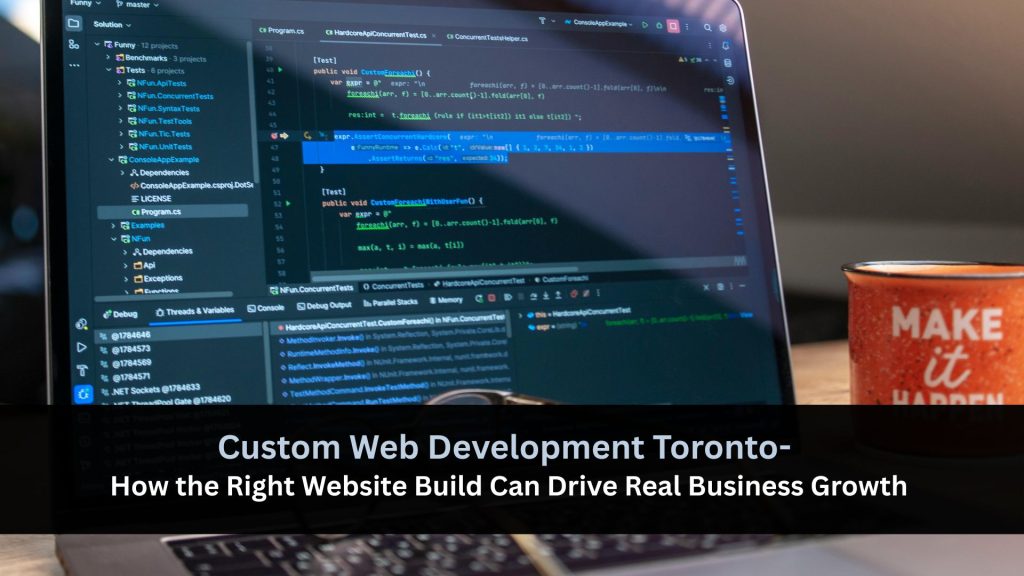
In Toronto, your website isn’t just a digital brochure—it’s the first handshake, the first impression, and often the first “yes” or “no” a customer makes about your business. People compare options fast, judge trust faster, and bounce the moment a page feels slow, confusing, or outdated. That’s why toronto website development is less about “having a site” and more about building a dependable customer experience that earns attention, builds confidence, and guides visitors toward action.

What “Conversions” Mean for Toronto Businesses

Conversions are the measurable actions that prove your website is working, and in a Toronto market filled with choice, those actions often happen in small steps long before a purchase. A conversion might be someone booking a call, requesting a quote, clicking to get directions, or starting a checkout. It can also be micro-actions such as downloading a guide, subscribing to emails, or saving a service page for later.

Toronto visitors tend to behave like careful shoppers: they scan for legitimacy (real address, real reviews, real policies) and they expect clarity. When your site is built with strong structure and intent—supported by thoughtful web services—you make it easier for visitors to move from “just browsing” to “ready to contact.”

First Impressions Are a Credibility Test

Your site’s first impression isn’t only visual—it’s emotional. Visitors decide whether a business is trustworthy based on how quickly they can understand what you do, how modern the experience feels, and whether the brand seems consistent. A cohesive design system (fonts, spacing, layout rhythm, and tone) quietly signals professionalism, while messy navigation or dated visuals raise doubts.

Brand credibility also comes from what you show, not what you claim. Team pages, real project examples, and clear service explanations reduce uncertainty. If you’re planning a refresh, it helps to ground your improvements in proven redesign thinking like this: Benefits of Website Redesign. For businesses that want the design and the build to work together, web design is where trust starts becoming tangible.

Speed and Performance Directly Affect Conversions

Speed is the difference between “I’ll check them out” and “I’ll check someone else.” Slow websites quietly drain conversions because users don’t wait for heavy pages to load—especially on mobile, where many Toronto customers discover local businesses. Performance is also tied to how stable and responsive a site feels while loading, which shapes perception even when visitors don’t consciously notice it.

High-performance builds typically rely on clean code, optimized images, lightweight scripts, caching, and smart hosting choices. These aren’t just technical details—they’re revenue protections. A website development team that treats performance as a baseline (not an add-on) is often the difference between a site that looks good and a site that sells.

UX (User Experience) Turns Browsers Into Buyers

User experience is what happens when someone tries to do something on your site. If they can’t find services quickly, if forms feel endless, or if the call-to-action gets buried, the visitor leaves—even if they liked your brand. UX is how you remove friction and make the next step feel obvious.

Strong UX typically means fewer choices per screen, clearer hierarchy, better spacing, and pages built around real user intent. It also means writing and layout working together so visitors can scan, understand, and act without effort. If your hiring brand or recruitment messaging needs clarity and structure, the same principle applies—clear experiences win trust, and Bumsa has covered that mindset from multiple angles in articles like Why Talent Acquisition Needs People and Attracting Talent: How to Recruit the Best Candidates.

Mobile-First Development Is No Longer Optional

Mobile-first doesn’t mean “it looks okay on a phone.” It means the site is designed and built for small screens first—where space is limited, attention is shorter, and taps must be effortless. When mobile-first is done properly, your buttons are thumb-friendly, your text is readable without zooming, your key information is visible early, and your forms feel painless.

Most conversion-killers on mobile are predictable: tiny buttons, slow sliders, pop-ups that block content, and layouts that force users to pinch and scroll just to find a contact method. A mobile-first build prevents those issues before they appear, which is one of the most direct ways to improve lead flow without changing your offer at all.

Brand credibility also comes from what you show, not what you claim. Team pages, real project examples, and clear service explanations reduce uncertainty.

Security and Compliance Build Brand Trust

People may not know the technical details of website security, but they notice the signals. HTTPS, secure forms, clear privacy policies, and professional checkout experiences affect whether visitors feel safe sharing their information. Trust is fragile online, and small gaps—like a missing privacy page—can cost you a conversion instantly.

In Ontario, accessibility matters for both inclusion and brand reputation, and it’s also a practical business advantage: accessible sites are easier to use for everyone, not just users with disabilities. Simple improvements like strong color contrast, proper heading structure, alt text, and keyboard navigation strengthen credibility while expanding reach. This is also where businesses often benefit from the wider ecosystem of Digital Marketing Services when web, content, and reputation work together in one plan—see Bumsa’s overview here: Digital Marketing Services.

What to Ask a Website Development Company in Toronto

A strong website partner should be able to explain conversion logic in plain language: where the calls-to-action will go, how they’ll reduce friction, and what they’ll measure. You’ll also want to ask how they handle speed targets, accessibility basics, and SEO-friendly structure—because those are foundations, not “extras.”

Ownership matters too. You should know who controls hosting access, analytics, and accounts, and whether you’ll be locked into a system you can’t easily move later. If you’re evaluating a partner, it’s also helpful to review their broader capabilities, including strategy and long-term support, from a company overview like Why Bumsa and their examples on Success Stories.

Quick Checklist: Is Your Website Built to Convert and Build Trust?

If your site is losing leads, it’s often because one or two high-impact basics are missing. This checklist helps you spot quick wins that improve both conversions and credibility.

  • Loads quickly on mobile without jarring layout shifts
  • Clear value proposition visible within the first screen
  • One primary call-to-action per page section (not five competing buttons)
  • Reviews/testimonials are visible near service CTAs
  • Contact options are effortless (tap-to-call, short forms, booking links)
  • Service pages are structured logically and easy to scan
  • Privacy policy and security signals are visible and up to date
  • Accessible basics: readable contrast, proper headings, descriptive links
  • Analytics and conversion tracking are installed and configured properly

If you’re aiming for a more comprehensive rebuild, start with the web foundation here: Web Development Company Toronto.

Conclusion:

In a city where customers decide fast and options are endless, the quality of your website influences whether people trust you and whether they take the next step. Done right, toronto website development reduces friction, improves clarity, strengthens credibility signals, and turns casual visits into steady leads. If you’re ready to build a site that supports growth—not just a site that exists—explore Bumsa’s web services and web design, and consider pairing your build with long-term visibility through seo services toronto. For a broader growth plan that connects web, content, and performance, you can also review Bumsa’s Digital Marketing Services to align everything under one strategy.

FAQ's

1) How does website development improve conversions?
It improves conversions by reducing friction—faster load times, clearer navigation, better mobile experience, and stronger calls-to-action that guide visitors toward contacting you or buying.
2) What makes a website look credible to Toronto customers?
Clear service messaging, modern design, visible reviews, real contact information, strong security signals (HTTPS), and easy-to-find policies make a business feel legitimate and trustworthy.
3) Is web design or web development more important for conversions?
They work together. Design builds trust and clarity, while development ensures speed, stability, security, and functionality—all of which affect whether visitors take action.
4) How fast should a website load to avoid losing leads?
Faster is always better, especially on mobile. If key content takes too long to appear or the page feels sluggish, visitors will often leave before they engage.
5) What are the biggest mistakes that hurt website conversions?
Slow pages, confusing navigation, weak calls-to-action, long forms, generic messaging, poor mobile layouts, and missing trust signals like reviews and clear contact details.
6) When should I consider a redesign instead of small fixes?
If your site feels outdated, loads slowly, doesn’t rank well, or consistently fails to generate leads even after improvements, a strategic redesign is often the better long-term investment.

Recent Posts